
Telescope motor drives are easier to choose when you compare how they mount, what telescope they fit and which eyepieces you already own.
Read More
Make sure the drive is listed for your mount first, then choose single or dual axis depending on how much tracking you need. Read the listed size, fit or instructions and compare a few related options so you only buy what you will use.
Start With The Job
Be clear about the task, then compare the features that actually help with it.
Read The Listed Details
Size, fit, power or instructions can differ from one listing to the next.
See What Else You Need
A related tool or spare can matter as much as the main item.
Check What Is Included
Cables, refills or spare parts are worth confirming before you order.
Telescope Motor Drives And Related Options To Compare
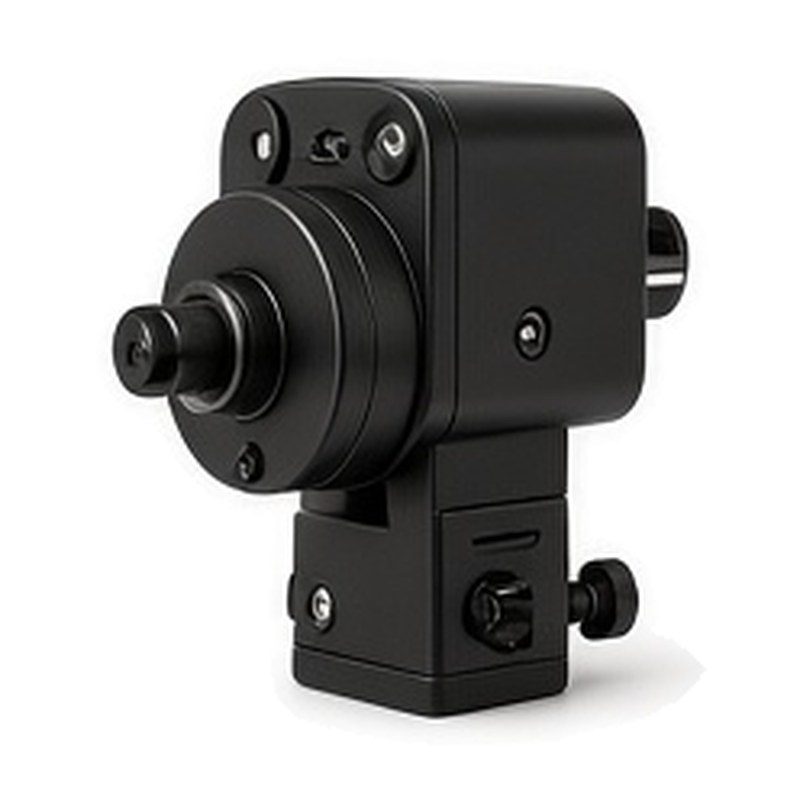
Telescope Motor Drives
Worth a look when you want telescope motor drives that match the rest of your setup.
COMPARE OPTIONS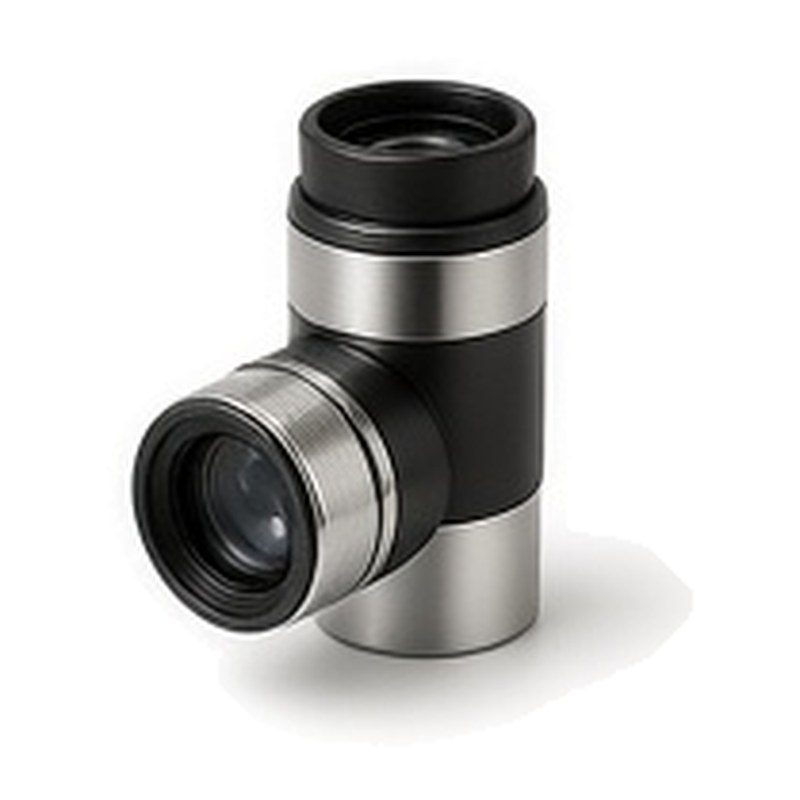
Telescope Eyepieces
A sensible choice when telescope eyepieces need to last through regular use.
COMPARE OPTIONS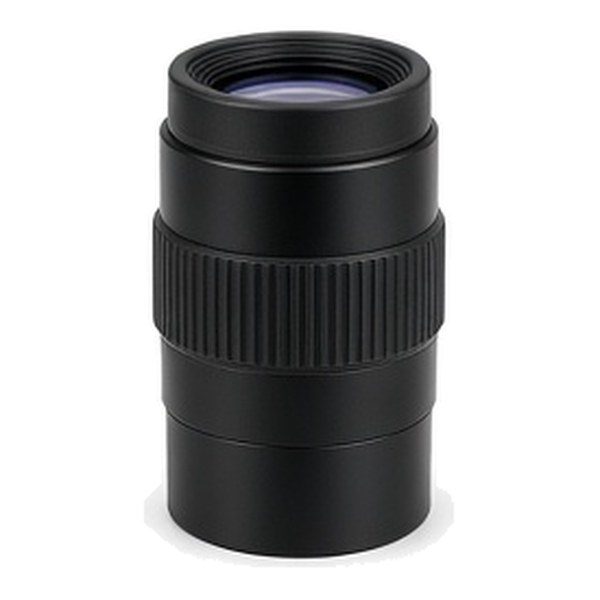
Plossl Telescope Eyepieces
A flexible option for plossl telescope eyepieces at home or on the go.
COMPARE OPTIONS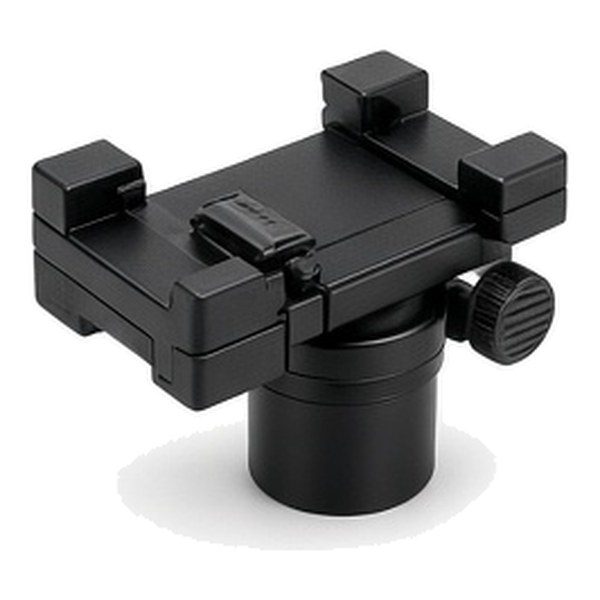
Smartphone Telescope Adapters
Narrow down smartphone telescope adapters by size first, then by features.
COMPARE OPTIONS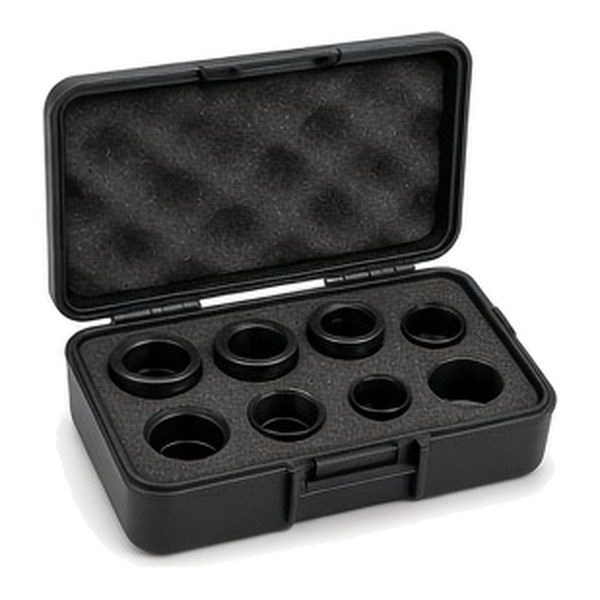
Telescope Eyepiece Cases
A good pick if telescope eyepiece cases suit the space and the way you plan to use them.
COMPARE OPTIONS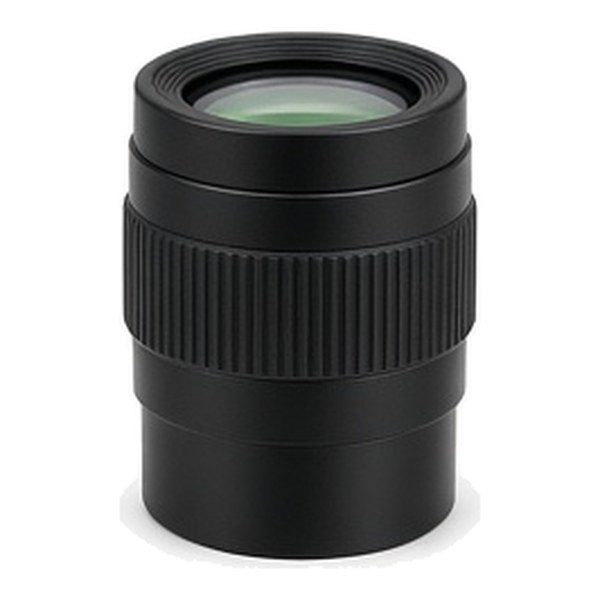
Wide Angle Telescope Eyepieces
Handy if you want wide angle telescope eyepieces with a simple, practical design.
COMPARE OPTIONS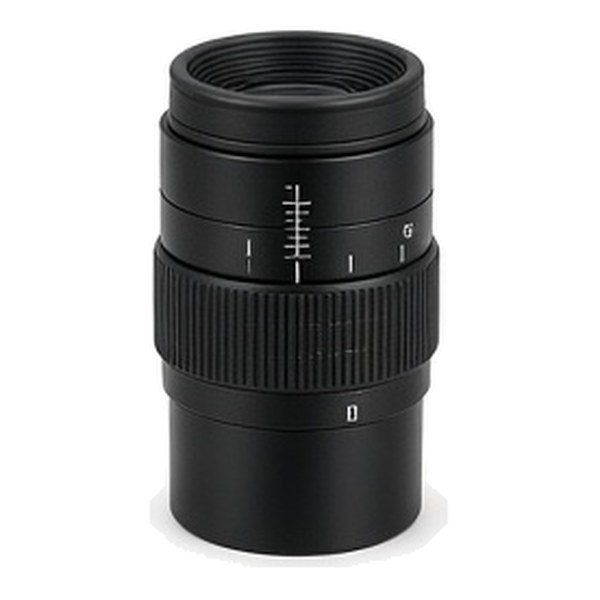
Zoom Telescope Eyepieces
Compare the size, the build and what comes in the box for zoom telescope eyepieces.
COMPARE OPTIONS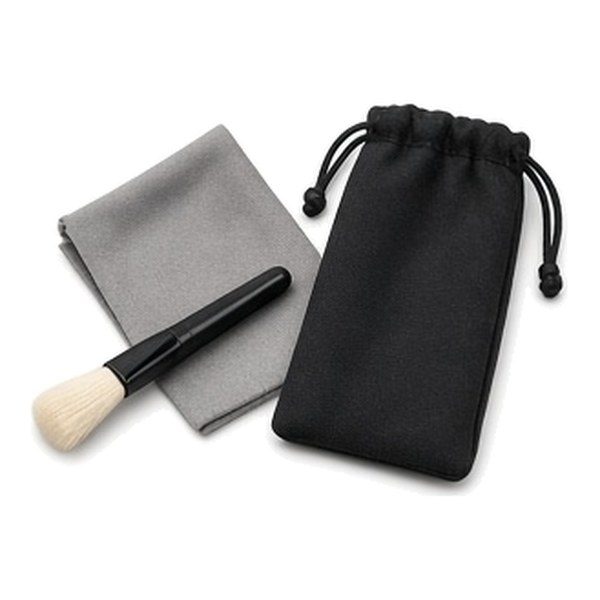
Telescope Lens Cleaning Kits
Try telescope lens cleaning kits if you want something easy to use straight away.
COMPARE OPTIONSMatching Drive Speed To Your Telescope Mount Type
Ensure the motor drive speed aligns precisely with your specific mount type to prevent tracking errors. Equatorial mounts typically require a consistent sidereal rate, while altazimuth systems might need variable speeds for different celestial objects. Check the manufacturer specifications for your mount to confirm the compatible drive interface. Mismatched speeds can cause the telescope to drift out of the field of view during long exposures or extended observation sessions. Always verify the connection type, whether it is a standard connector or a proprietary plug, to guarantee a secure and stable electrical connection without needing adapters that might introduce signal interference or connection instability.
Choosing Between Single Axis And Dual Axis Tracking
Decide if you need single or dual axis tracking based on your observing goals. Single axis drives only track right ascension, requiring manual declination adjustments for long sessions, which is suitable for visual observing. Dual axis drives track both coordinates automatically, keeping objects centred for extended periods without manual intervention. If you plan to take astrophotography or observe faint deep sky objects for hours, dual axis is essential for maintaining precision. For casual stargazing of bright planets or the moon, a single axis unit may suffice and offer a simpler setup process with fewer potential points of failure.
Verifying Power Requirements For Battery Operated Motor Drives
Confirm the voltage and current requirements of the motor drive to match your power source safely. Many drives operate on standard battery packs, but some require specific regulated power supplies to maintain consistent performance. Check the amperage rating to ensure your battery can sustain the load without draining too quickly during long nights. Using an underpowered source can cause the drive to stall or lose step, leading to tracking errors. Look for drives with power saving modes that reduce consumption when the telescope is not actively tracking, extending your observing time without needing constant battery replacements or recharging interruptions.
Assessing Weather Resistance For Outdoor Telescope Equipment Storage
Consider the environmental protection rating if you plan to store the motor drive outdoors or in damp conditions. Look for sealed enclosures that prevent moisture ingress, which can corrode internal circuits and contacts over time. Even if you store it indoors, humidity can affect electronic components, so a robust casing adds longevity. Check for rubberised buttons or sealed ports that prevent dust and water from entering the control unit. A weather resistant design ensures reliable operation during unpredictable weather changes, allowing you to set up quickly without worrying about condensation forming on sensitive electronic parts after moving the telescope from a warm indoor space to the cold night air.
Understanding Compatibility With Existing Eyepiece And Filter Sets
While motor drives primarily handle tracking, ensure the control interface does not interfere with your existing optical setup. Some advanced drives integrate with hand controllers that may require specific cable routing, which could clash with your eyepiece or filter wheel placement. Verify that the drive controller has enough clearance to operate without obstructing your view or access to focusers. If you use a camera for imaging, check that the drive supports the necessary connection standards for your imaging software. This ensures a seamless workflow where tracking adjustments do not require you to disconnect or rearrange your optical train, saving time during critical observing windows when conditions are optimal.
Questions Shoppers Ask
How Do I Choose The Right Option?
Start with the job you need to do, then compare the listed size, fit or instructions on a few similar items.
Should I Compare Related Items At The Same Time?
Yes, if you already know you will need a spare, a tool or a similar product for the same task.
What Details Matter Most?
The listed size, power, fit or instructions usually matter more than the photo alone.
What Should I Check Before I Order?
Confirm what is included in the box and whether you already own anything that does the same job.
Does The Motor Drive Require Regular Calibration?
Yes, periodic calibration is necessary to maintain accurate tracking over time. Mechanical wear or temperature changes can affect the drive accuracy, so recalibrating ensures the telescope stays aligned with celestial objects. Follow the manufacturer instructions for the calibration routine, which usually involves pointing the telescope at known stars. This process takes only a few minutes and significantly improves the reliability of your tracking system during long observation sessions.
Can I Use The Drive With Any Telescope Brand?
No, compatibility depends on the specific mount interface and connector type. While many drives use standard connectors, some are designed exclusively for certain mount models. Always verify the connector shape and pinout before purchasing to ensure a direct fit. Using an incompatible drive can damage the electronics or prevent the drive from functioning correctly, so checking the technical specifications is essential for a successful installation.