
Diaper pins and fasteners are easier to choose when you compare the lock, the size and the other baby kit you already use.
Read More
Safety pins with locking heads or plastic grip fasteners keep a cloth nappy secure and are easy to open one-handed. Read the listed size, fit or instructions and compare a few related options so you only buy what you will use.
Start With The Job
Be clear about the task, then compare the features that actually help with it.
Read The Listed Details
Size, fit, power or instructions can differ from one listing to the next.
See What Else You Need
A related tool or spare can matter as much as the main item.
Check What Is Included
Cables, refills or spare parts are worth confirming before you order.
Diaper Pins And Fasteners And Related Options To Compare
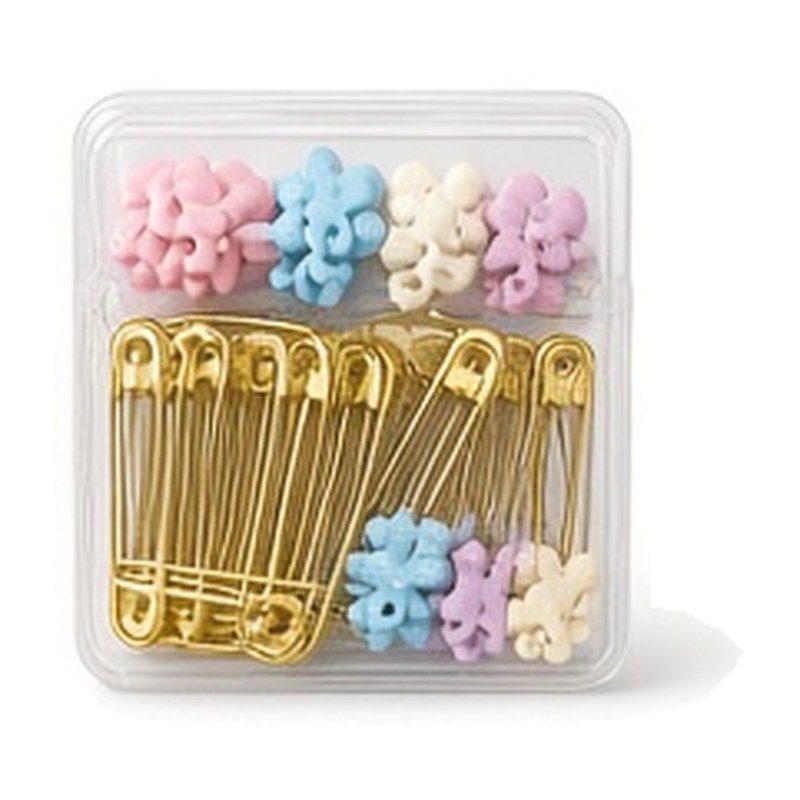
Diaper Pins And Fasteners
Compare finishes and styles to find diaper pins and fasteners that suit your taste.
COMPARE OPTIONSUnderstanding Metal Safety Pins Versus Plastic Fasteners
Choosing between traditional metal pins and modern plastic grips depends entirely on your daily routine and confidence level when handling wriggly babies. Metal varieties usually feature heavy duty steel construction with a guarded locking head to prevent accidental opening, offering a firm hold on thicker towelling materials. On the other hand, plastic alternatives often utilise clever teeth or stretchable bands that grip fabric securely without any sharp points near delicate skin. Both styles serve the same fundamental purpose of keeping cloth nappies snugly in place, yet many parents prefer having a mixture of both types available in the nursery drawer for different situations throughout the week.
Safe Handling Practices For Nursery Pins And Fasteners
Keeping safety at the forefront of your nappy changing routine requires mindful habits whenever you handle sharp locking pins or tension fasteners near your child. Always insert your hand between the baby and the fabric when fastening a pin to create a protective barrier against accidental scratches or pokes. Store loose pins in a dedicated lidded container well out of reach of curious toddlers and older siblings rather than leaving them scattered on changing mats or nearby surfaces. Regularly inspect metal components for signs of bending or rust, and immediately discard any damaged items to ensure your everyday nursery setup remains completely secure and worry free.
Organising Your Changing Station For Quick Access
Setting up an efficient nappy changing station helps streamline your daily routine, especially during those hectic middle of the night changes when speed matters most. Keep your pins and fasteners sorted in a shallow divided tray right beside your cloth wraps and liners so you never have to fumble around blindly. Having a designated spot prevents tiny items from rolling away or getting lost underneath bulky towels and blankets on your storage shelf. Grouping your fastening accessories alongside your wipes and creams also makes it much easier to grab everything you need in one swift movement before your little one decides to crawl away.
Cleaning And Maintenance For Fabric Fastening Accessories
Proper upkeep ensures your cloth nappy fasteners remain hygienic and functional through months of repeated use and frequent trips through the washing machine. Metal safety pins should be dried thoroughly after any hot laundering cycle to prevent moisture from causing rust spots that could damage delicate cotton fabrics. Plastic grip fasteners benefit from a simple wipe down with warm soapy water to remove lingering residue from barrier creams or talcum powder. Periodically check the spring tension on locking heads and stretchable bands to make sure they still snap shut securely before using them on your baby again.
Selecting Appropriate Fasteners For Newborn Versus Toddler Nappies
As your baby grows from a tiny newborn into an active toddler, the type of nappy fastener you rely on might need to adapt to match their changing physique and mobility. Newborns often require smaller pins or gentle stretchy snappable bands that accommodate bulky prefold cloths without putting excessive pressure on sensitive tummies. Toddlers who refuse to lie still during changes demand faster, more forgiving locking mechanisms that can be secured in seconds while standing up or balancing on a mat. Building a varied collection early on ensures you always have the most suitable tool on hand for every stage of your child’s early development.
Questions Shoppers Ask
How Do I Choose The Right Option?
Start with the job you need to do, then compare the listed size, fit or instructions on a few similar items.
Should I Compare Related Items At The Same Time?
Yes, if you already know you will need a spare, a tool or a similar product for the same task.
What Details Matter Most?
The listed size, power, fit or instructions usually matter more than the photo alone.
What Should I Check Before I Order?
Confirm what is included in the box and whether you already own anything that does the same job.
How Do I Prevent Rust On Metal Nappy Pins?
Preventing rust involves drying your metal pins completely after every wash cycle before storing them away in a closed container. Avoid leaving them soaking in damp buckets overnight, and discard any items immediately if you spot discoloration or corrosion forming near the locking head.
Can Fasteners Be Used With All Kinds Of Cloth Nappies?
Most fasteners work well with traditional flat cotton squares and prefolded nappies, though tightly woven modern fitted nappies might require specific grip styles rather than standard pins. Always test the hold on a clean, empty nappy first to ensure the fabric weave will not tear under tension.