
Baby bibs are easier to choose when you compare the fabric, the fastening and whether you also need a crumb catcher style for meals.
Read More
Soft, wipe-clean bibs with an easy fastening cover most meals, while a silicone pocket bib catches crumbs once weaning starts. Read the listed size, fit or instructions and compare a few related options so you only buy what you will use.
Start With The Job
Be clear about the task, then compare the features that actually help with it.
Read The Listed Details
Size, fit, power or instructions can differ from one listing to the next.
See What Else You Need
A related tool or spare can matter as much as the main item.
Check What Is Included
Cables, refills or spare parts are worth confirming before you order.
Baby Bibs And Related Options To Compare
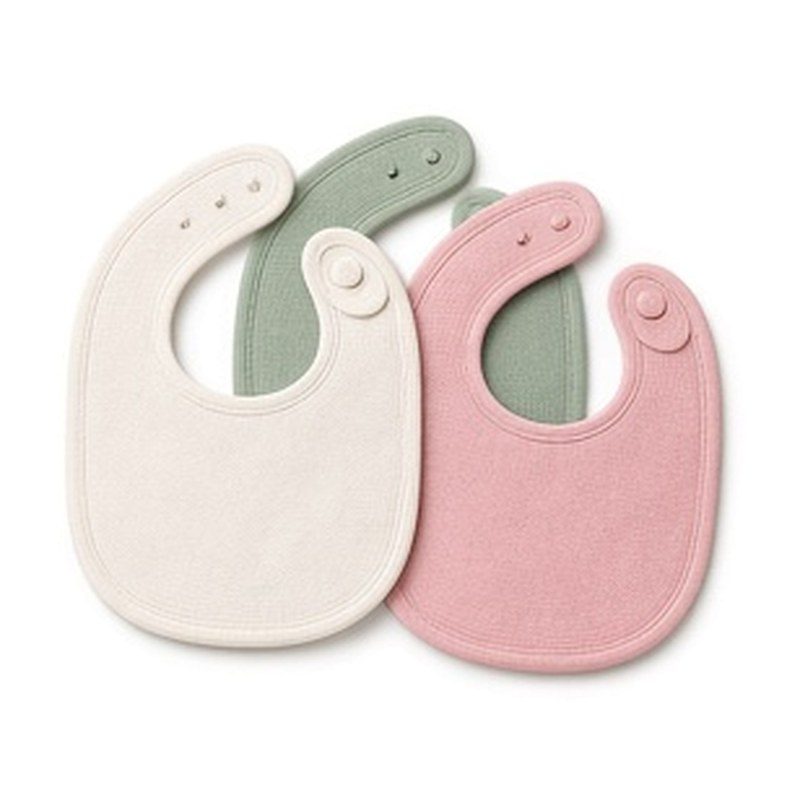
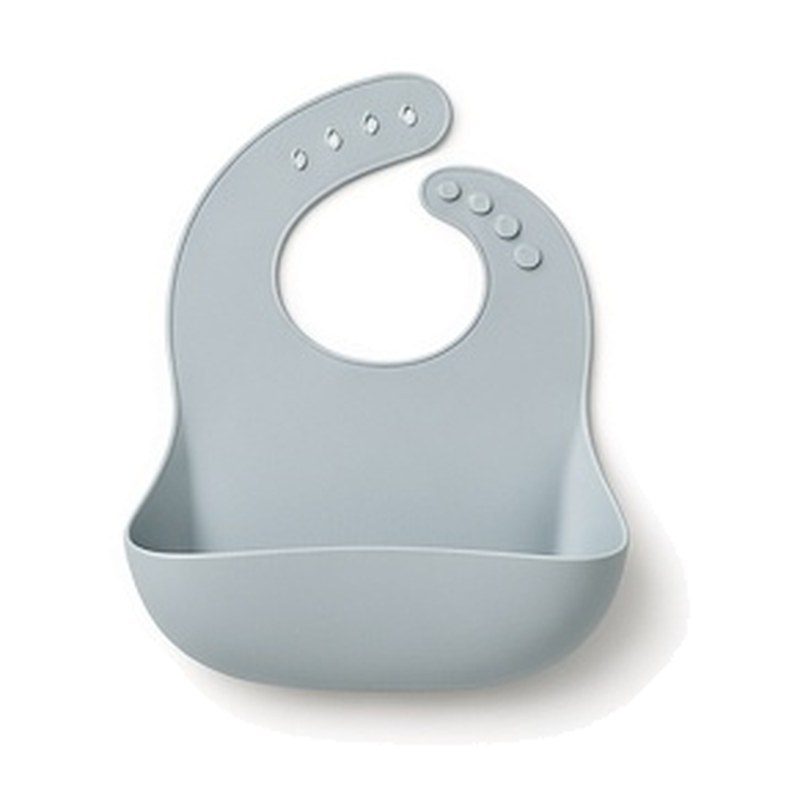
Crumb Catcher Baby Bibs
Choose crumb catcher baby bibs with the size and features that match your needs.
COMPARE OPTIONSHow To Wash And Dry Fabric Bibs
Keeping cotton and polyester styles fresh requires proper laundry habits because food stains set quickly into absorbent weaves. Rinse heavy vegetable purees under the cold tap straight after feeding to prevent deep discolouration before throwing the item into a standard washing machine load. Fasten all hook and loop closures securely prior to the cycle so they do not snag delicate terry cotton loops or other garments in the drum. Air drying usually preserves waterproof backing membranes much better than high heat tumble drying, which can cause cracking or shrinkage around the neck binding over time.
Selecting Waterproof Materials For Messy Weaning
Silicone and polyurethane coated fabrics offer superior protection against liquid spills during early spoon feeding stages because moisture stays entirely on the surface. Traditional cloth alternatives soak through immediately when water or thin fruit juices run down the chin, leaving outfits damp and uncomfortable underneath. Look for flexible silicone troughs that mould outward to catch dropped peas or porridge without feeling too heavy around a tiny collarbone. Wipeable synthetic surfaces can be rinsed clean at the kitchen sink immediately after a meal and reused moments later without needing a trip to the washing basket.
Ensuring A Comfortable Fit Around The Neck
Neck fastenings must balance a snug barrier against runaway food with enough room to prevent restriction during active chewing and swallowing. Adjustable snap buttons or multi-setting press studs provide longevity as a child grows, whereas fixed pull-over styles often feel too tight or leave wide gaps at the collar. Check whether the fabric edge feels soft against sensitive skin to avoid chafing during prolonged wear at family dinners or birthday parties. A proper closure sits flat without bunching up underneath the chin, allowing complete freedom of movement for turning the head from side to side.
Storing Your Collection In The Kitchen
Organising daily feeding accessories efficiently stops clutter from building up on countertops or inside busy food cupboards near the high chair. Rolling up soft fabric styles tightly allows them to fit neatly inside a designated drawer or a hanging storage basket mounted near the dining table. Stiff silicone alternatives can be stacked vertically or hung by their integrated hook holes on a wall peg rail to keep them accessible yet tidy. Keeping a dedicated rotation near the main eating area ensures you can grab a clean replacement instantly when sudden messes happen during breakfast.
Choosing Styles For Travel And Dining Out
Portable feeding solutions need to fold down compactly into changing bags without permanently creasing or trapping lingering food odours during transit. Roll-up silicone designs with integrated pockets act as convenient storage pouches for dirty spoons and stray crumbs once the meal finishes outside the home. Lightweight folding cloth variations take up minimal space and shake out easily if dry snacks are scattered inside a pushchair or restaurant booth. Having a dedicated set kept permanently packed in your外出 bag prevents you from getting caught unprepared when feeding away from the kitchen table.
Questions Shoppers Ask
How Do I Choose The Right Option?
Start with the job you need to do, then compare the listed size, fit or instructions on a few similar items.
Should I Compare Related Items At The Same Time?
Yes, if you already know you will need a spare, a tool or a similar product for the same task.
What Details Matter Most?
The listed size, power, fit or instructions usually matter more than the photo alone.
What Should I Check Before I Order?
Confirm what is included in the box and whether you already own anything that does the same job.
How Often Should I Replace Worn Feeding Accessories?
Replacement becomes necessary once persistent staining, frayed edges or weakened fasteners compromise everyday usability and hygiene standards. Inspect items frequently for stubborn mould spots on waterproof linings or cracks in silicone pockets that no longer wash clean.
Can I Use The Same Style For Milk Feeds And Solid Meals?
Different stages require distinct designs because milk feeding calls for gentle absorbency around the collar while solid weaning demands wide crumb collection trays. Using lightweight curved cloths for bottle times and structured wipe-clean pockets for purees prevents frequent outfit changes throughout the day.