
Are you looking to keep your new tattoo vibrant and healthy? Read more
Why Invest In Tattoo Aftercare Products?
- Enhanced Healing: Quality aftercare products can significantly speed up the healing process, reducing the risk of infection and irritation.
- Color Preservation: Keep the colors of your tattoo as vibrant as the day you got it with specialized formulas designed to prevent fading.
- Moisturization: Good aftercare products provide essential moisture to keep your skin supple and your tattoo looking fresh.
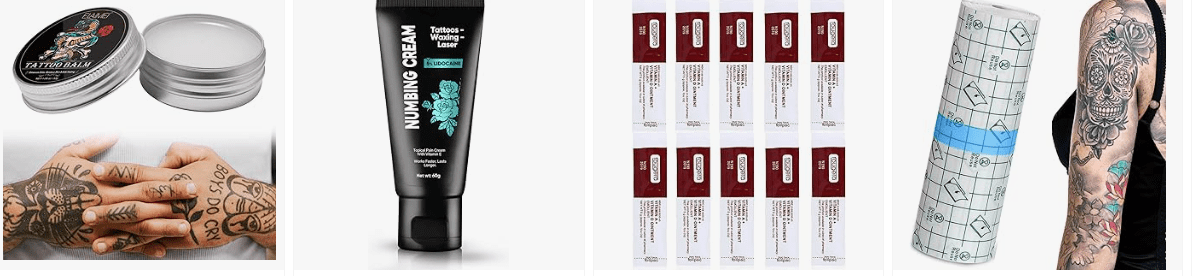
The Best Tattoo Aftercare Products On The Market
Choosing the right products for your tattoo care is crucial. Here are some top picks that have been highly recommended by tattoo artists and enthusiasts alike:
Maintaining Your Tattoo’s Beauty
Regular use of tattoo aftercare products is key to maintaining the beauty and health of your tattoo. Find the latest and most effective products here.
Conclusion
Investing in the right tattoo aftercare products is a small step that can make a significant difference in the lifespan and appearance of your tattoo. Don’t hesitate to explore the options available and choose the best for your unique needs. Click here to check the latest prices on tattoo aftercare products.
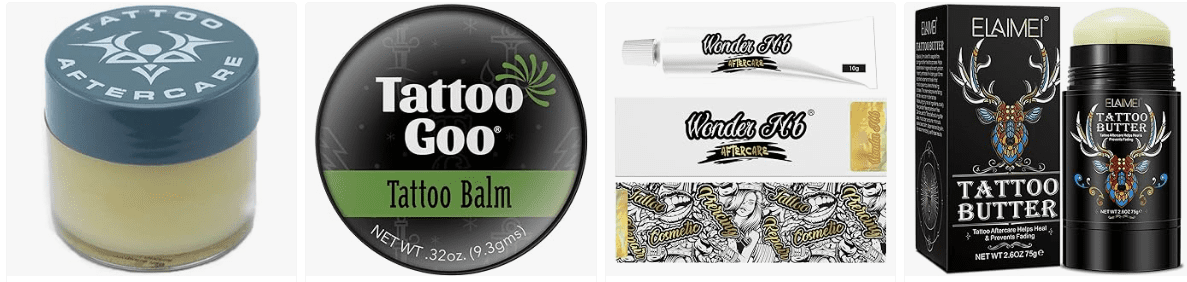
Choosing Fragrance Free Balms For Sensitive Skin
If your skin reacts easily to scents, select balms that explicitly state they are fragrance free to avoid unnecessary irritation during the healing phase. Look for simple ingredient lists containing natural oils or waxes rather than complex chemical blends. Fragrances are a common trigger for itching and redness, which can disrupt the healing process and potentially damage the ink. By removing these potential irritants, you create a calmer environment for your skin to recover. Always patch test a small amount on your inner arm before applying it directly to the fresh tattoo to ensure compatibility with your specific skin type.
Understanding The Difference Between Ointments And Lotions
Ointments are thicker and create a protective barrier that locks in moisture, making them ideal for the first few days when the tattoo is weeping. Lotions are lighter and absorb faster, suiting the later stages of healing when the skin begins to flake and dry out. Switching from an ointment to a lotion helps prevent clogging pores while still providing necessary hydration. Using the wrong texture at the wrong time can lead to excessive greasiness or insufficient protection. Pay attention to how your skin feels; if it feels tight, switch to a richer formula, and if it feels sticky, move to a lighter option.
Selecting Sunscreen With High Protection For Healed Ink
Once your tattoo is fully healed, ultraviolet rays become the primary enemy of your ink, causing colours to fade and skin to age prematurely. Choose a broad spectrum sunscreen with a high protection factor to shield the treated area effectively. Apply it generously every morning and reapply whenever you spend extended periods outdoors. Water resistant formulas are beneficial if you plan to swim or sweat heavily. Consistent daily use is far more effective than applying it only on sunny days, as even indirect exposure contributes to long term colour degradation and skin damage over time.
Questions Shoppers Ask
How Often Should I Apply Aftercare Cream?
Apply a thin layer three to four times daily during the initial healing week. This keeps the area moisturised without suffocating the skin. Reduce frequency to twice daily once peeling begins. Always wash your hands thoroughly before touching the tattoo to prevent introducing bacteria. Consistency is more important than quantity, so use only enough product to leave a slight sheen rather than a thick coat.
Can I Use Regular Body Lotion On A Tattoo?
Avoid using standard body lotions as they often contain fragrances, alcohols, and dyes that irritate healing skin. These ingredients can cause itching, redness, or even push ink out of the skin. Stick to products specifically formulated for tattoo aftercare, which are designed to be gentle and hypoallergenic. These specialised creams support the healing process without introducing harmful chemicals that could compromise your new artwork.
When Is It Safe To Submerge A Tattoo?
Wait until the tattoo is completely healed, which typically takes two to four weeks. Submerging in pools, baths, or the sea too early exposes the open wound to bacteria and chlorine. This increases the risk of infection and can wash away healing plasma. Keep the area dry during showers and pat it gently with a clean towel. Premature soaking is one of the most common mistakes that leads to poor healing outcomes.
Do I Need To Wrap My Tattoo At Night?
Modern aftercare methods generally do not require wrapping unless specifically instructed by your artist. Wrapping can trap moisture and heat, creating a breeding ground for bacteria. Instead, sleep on a clean sheet and avoid direct contact with bedding that might stick to the weeping area. If you must wrap, use a sterile, breathable film for only the first night. Always follow the specific aftercare instructions provided by your tattoo professional.
How Long Does A Tattoo Take To Fully Heal?
The surface usually heals within two weeks, but the deeper layers of skin can take up to six months to fully recover. During this time, the skin may feel dry, itchy, or slightly raised. Continue moisturising and protecting the area from sun exposure throughout this entire period. Ignoring the deeper healing phase can lead to long term issues like scarring or colour fading. Patience is essential for ensuring the tattoo looks its best for years to come.
What Should I Do If My Tattoo Itches?
Itching is a normal part of the healing process as new skin forms. Do not scratch the area, as this can tear the skin and remove ink. Instead, gently pat the area with a clean hand or apply a thin layer of fragrance free moisturiser. If the itching becomes severe or is accompanied by swelling or pus, consult a healthcare professional immediately. These symptoms may indicate an infection that requires medical attention rather than home care.