
Discover the best ways to keep your home safe with the right surveillance and security cameras.
Read More
If you’re looking for a reliable way to monitor your home, a wireless dome camera with night‑vision and motion detection is a solid choice; it offers easy installation, clear images in the dark and real‑time alerts to keep you informed.
Are Wireless CCTV Cameras Secure?
Wireless CCTV cameras offer convenience but also present specific security concerns. The main risk is the wireless signal being intercepted if not protected with strong encryption. A well‑configured camera will use WPA3 or a similar protocol to guard against eavesdropping. Even then, the camera’s firmware should be updated regularly to patch any vulnerabilities. Placement matters; a camera mounted too close to a Wi‑Fi router can create interference, while one placed too far may drop the signal. A reliable setup balances range, security and signal strength, ensuring that the footage remains private and intact.
What Surveillance Cameras Is The Best?
The best surveillance camera depends on the environment it will cover. For indoor use, a dome camera with a fixed lens provides a discreet and wide field of view. Outdoor cameras should be weather‑proof, with a robust housing and a lens that resists glare and dust. Night vision is essential for low‑light coverage, so look for infrared LEDs that illuminate a clear image. A camera’s resolution matters too; 1080p gives a clear picture, while 4K is useful for identifying details. Finally, consider how the footage will be stored – local or cloud – and whether the camera supports remote viewing on a mobile device.
Which Home Security Camera Has The Best Night Vision?
Night vision quality is judged by how clearly a camera can capture details in darkness. Cameras that use infrared LEDs at 850nm or 940nm provide a balance between range and image clarity. A camera with a higher number of LEDs will light a larger area, reducing shadows. The sensor size also matters; a larger sensor can gather more light, improving image quality at night. When choosing, check the camera’s advertised night‑vision range and compare it with the area you need to monitor. A camera that offers adjustable LED intensity allows you to tailor the lighting to your specific environment. Surveillance cameras are primarily used to record activity for later review, often in large public spaces. Security cameras, on the other hand, are designed to deter intruders and provide real‑time alerts. The key differences lie in their purpose and features: surveillance cameras may have long‑term storage and higher resolution, while security cameras emphasise motion detection and instant notification. Some devices combine both functions, offering a flexible solution for homes and businesses alike. Understanding these distinctions helps you choose a system that matches your needs, whether you want passive monitoring or active protection.
Rules On Surveillance Cameras
In the UK, the use of surveillance cameras is regulated by the Data Protection Act and the Surveillance Camera Code of Practice. Cameras must not be placed in areas where people have a reasonable expectation of privacy, such as inside a home or private garden. Operators must provide clear signage indicating that surveillance is in operation. Data captured must be stored securely and retained only for the period necessary to achieve the purpose. If footage is shared, it must be anonymised where possible. Compliance with these rules ensures that the camera system respects privacy while maintaining security. While the terms are often used interchangeably, surveillance cameras focus on recording for evidence, whereas security cameras emphasise deterrence and immediate response. Surveillance systems typically have long‑term storage, allowing footage to be reviewed after an incident. Security cameras often trigger alarms or notifications when motion is detected. For a home setting, a hybrid system that offers both recording and alerting provides the most comprehensive protection. Choosing the right balance depends on whether your priority is to capture evidence or to prevent incidents before they happen.
Best Surveillance Security Cameras For Home
A home security system should combine reliability, ease of installation and clear imagery. Indoor dome cameras with a 120‑degree field of view give broad coverage without being intrusive. Outdoor bullet cameras should be IP66 rated, ensuring they can withstand rain and dust. A camera with built‑in motion detection and two‑way audio allows you to respond instantly. Pairing the cameras with a local storage solution, such as a network video recorder, keeps your footage private and accessible. When selecting a system, consider the number of cameras needed and the layout of your property to achieve full coverage.
Surveillance Cameras And Security Systems
Integrating cameras into a broader security system enhances protection. A central hub can manage multiple devices, providing a unified interface for monitoring and alerts. The hub should support both wired and wireless connections, allowing flexibility in placement. When cameras are linked to a security system, they can trigger alarms, lock doors or activate lights in response to detected activity. This integration creates a layered defence, making it harder for intruders to bypass the system. Ensure the hub’s firmware is updated regularly to maintain compatibility and security.
Difference Between Surveillance And Security Cameras
The core distinction lies in their operational focus. Security cameras are designed to prevent incidents, offering real‑time alerts and deterrence. The hardware may differ: surveillance units often have higher resolution and longer storage, while security units emphasise motion sensors and instant notification. Choosing between them depends on whether your priority is evidence gathering or immediate protection. Many modern devices combine both features, providing a versatile solution for diverse security needs.
Products To Compare
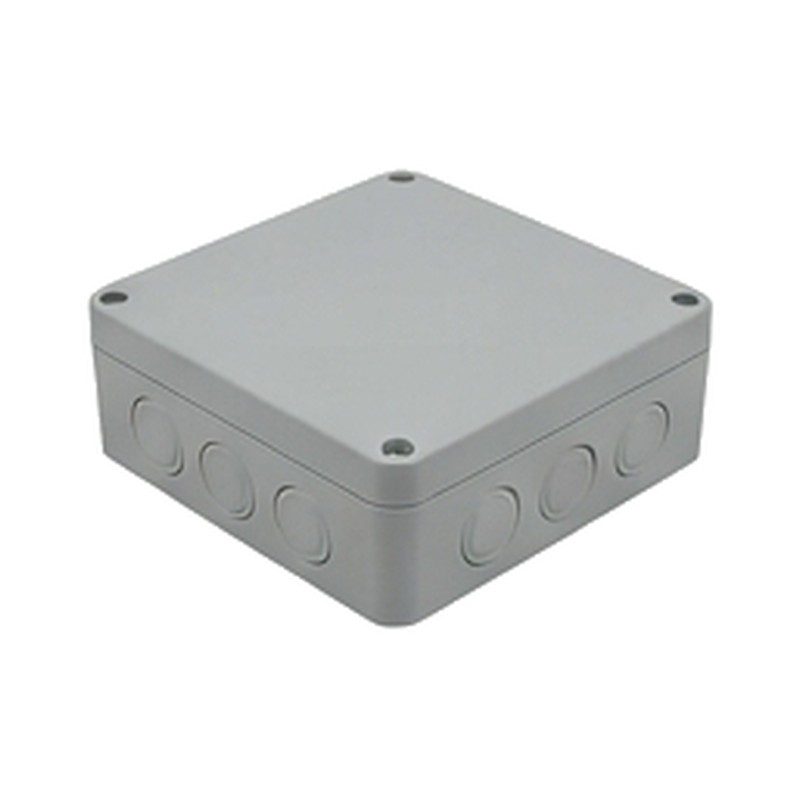
Additional Surveillance Junction Boxes
Look at the number of ports and the cable routing options for expansion.
COMPARE OPTIONS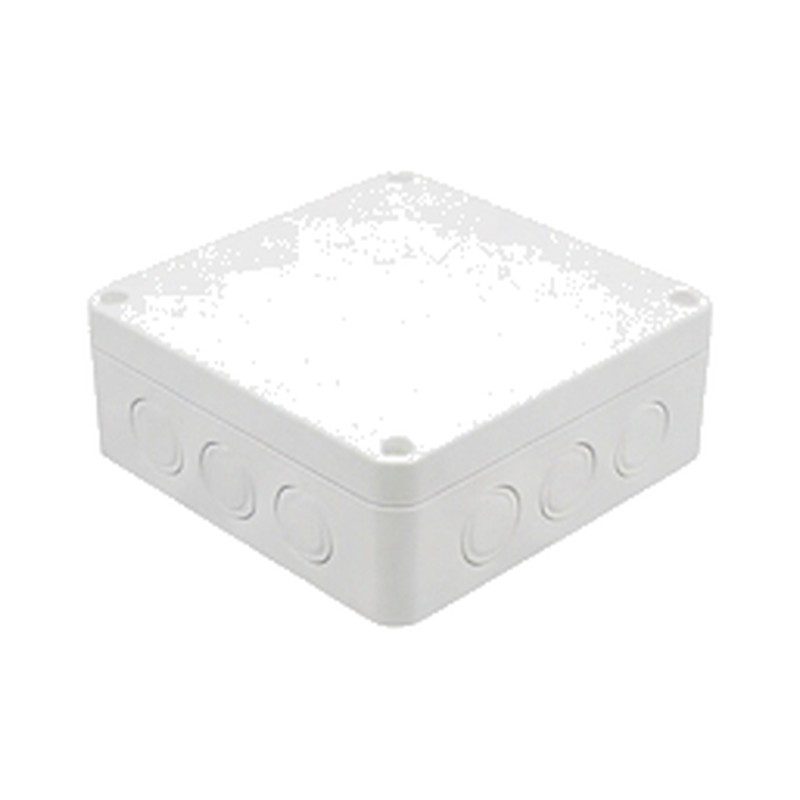
Surveillance Junction Boxes
Check the input and output capacity and the cable management features.
COMPARE OPTIONS
Compact Surveillance System
COMPARE OPTIONS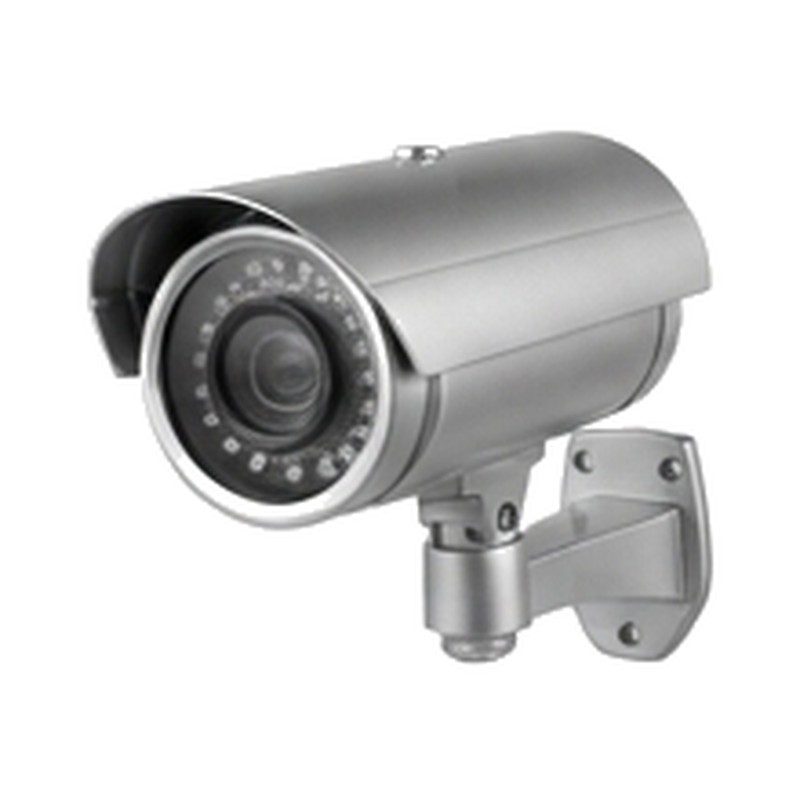
High Definition Surveillance Systems
COMPARE OPTIONS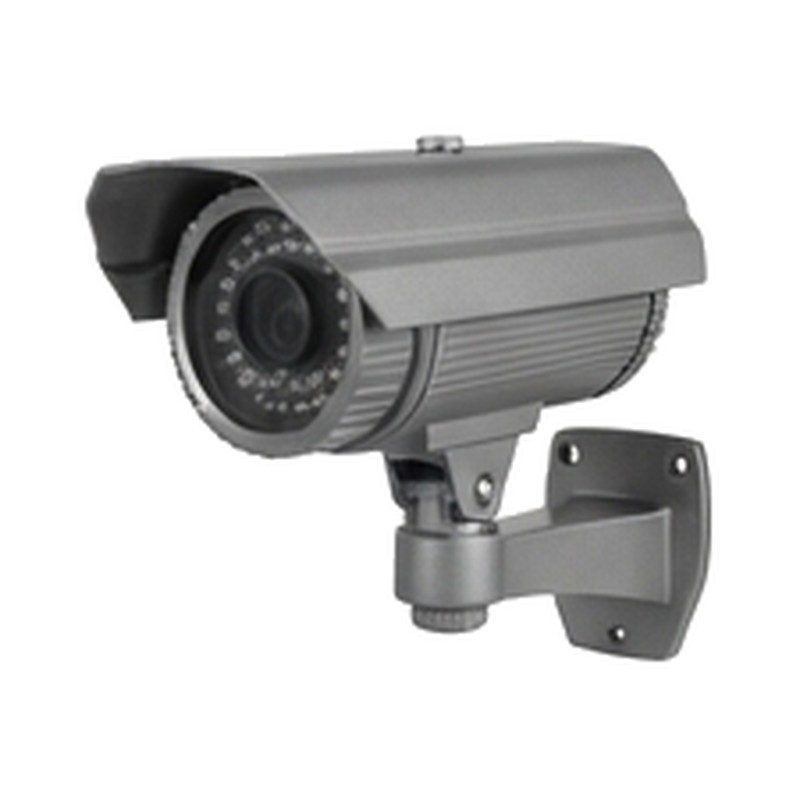
Outdoor Surveillance Systems
COMPARE OPTIONS
Smart Home Surveillance Systems
COMPARE OPTIONSBefore Choosing
- Confirm the camera’s wireless security settings before installation.
- Verify the camera’s weather‑proof rating for outdoor models.
- Check that the night‑vision LEDs cover the required area.
- Ensure the system’s firmware is up to date for security patches.
Questions Shoppers Ask
What Is The Difference Between Surveillance And Security Cameras?
Surveillance cameras focus on recording for later review, while security cameras emphasise real‑time alerts and deterrence. The choice depends on whether you need evidence gathering or immediate incident response.
What Are The Rules On Surveillance Cameras?
In the UK, cameras must respect privacy, use clear signage, store data securely and retain footage only as long as necessary.
Surveillance Vs Security Cameras?
Surveillance cameras record for evidence; security cameras trigger alerts. Many systems now combine both, offering recording, motion detection and instant notification in a single device.
What Is The Best Surveillance Security Camera For Home?
A balanced choice includes an indoor dome camera with a wide field of view, an outdoor bullet camera that is weather‑proof, and a central hub that supports both wired and wireless connections for full coverage.
What Should You Check When Choosing Surveillance And Security Cameras?
Look at the listed size, the build and what is included with surveillance and security cameras, then match those details to how you plan to use them. Read the current listing for surveillance and security cameras closely rather than relying on a generic description. That keeps a shortlist of surveillance and security cameras practical.
How Do You Narrow Down Surveillance And Security Cameras For Everyday Use?
Start with the space you have and the way you will use surveillance and security cameras, then compare the listed features and what comes in the box. Skip any surveillance and security cameras that do not fit those two points. A short written list of must-haves for surveillance and security cameras helps you stay focused.