
When it comes to nourishing our little ones, it’s important to make choices that support their growth, development, and taste preferences. Read more
Nutritional Value
Understanding the nutritional needs of babies and toddlers is vital for parents. Baby & Toddler Juices often come packed with essential vitamins and minerals including:
- Vitamin C
- Calcium
- Iron
- Fibre
Click here to check the latest prices on Baby & Toddler Juices and find the right product for your child’s specific needs.
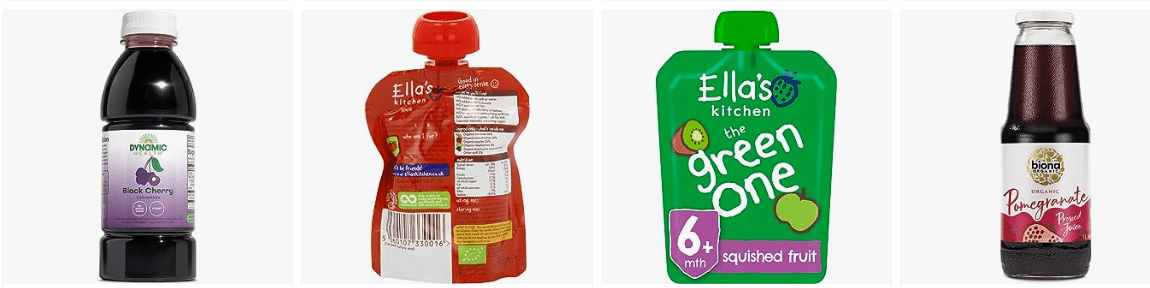
Taste & Variety
What makes Baby & Toddler Juices appealing is their delicious taste and variety. From apple to peach, there’s a flavour for every child. The juices are carefully crafted to ensure that they are both yummy and safe for little ones.
Convenience
Busy parents appreciate the convenience of Baby & Toddler Juices. They are easy to carry, simple to serve, and often come in spill-proof packaging. This makes them a perfect on-the-go option for both parents and children.
Conclusion
Baby & Toddler Juices are more than just a tasty beverage; they’re a nutritious addition to your child’s diet. With a range of flavours, essential nutrients, and the convenience they offer, these juices are a top choice for parents. Click here to check the latest prices on Baby & Toddler Juices and make a wise decision for your child’s health today!
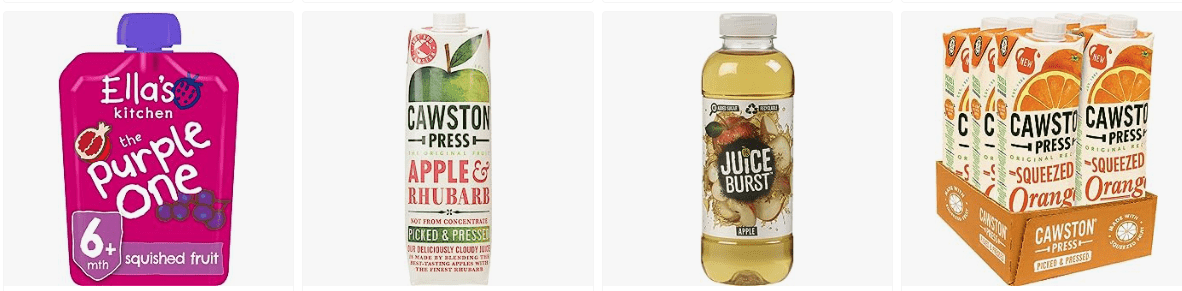
Choosing Safe Juice Options For Picky Eaters
Selecting the right beverage for a child who dislikes new tastes requires careful attention to ingredient lists and flavour profiles. Look for products that list fruit as the primary ingredient rather than added sugars or artificial sweeteners. Mild flavours like apple or pear are often better accepted by toddlers who are sensitive to strong tastes. Always check the packaging for any potential allergens such as sulphites or preservatives that might cause reactions. Reading the label thoroughly helps you avoid hidden additives that do not contribute to nutritional value. This approach ensures your child receives hydration and vitamins without unnecessary exposure to substances that could upset their digestive system or trigger allergic responses during sensitive developmental stages.
Understanding Serving Sizes For Young Children
Determining the correct amount of juice to offer your toddler is crucial for maintaining a balanced diet and preventing excessive sugar intake. Health guidelines generally recommend limiting daily consumption to small portions, typically around one hundred to one hundred and fifty millilitres per day. Serving juice in small, dedicated cups helps control portions and encourages mindful drinking habits. Avoid using large bottles that encourage overconsumption, as this can lead to tooth decay and reduced appetite for solid meals. Monitor your child’s reaction to ensure they are not drinking juice instead of water or milk, which are essential for hydration and bone development. Consistency in serving sizes helps establish healthy eating patterns from an early age.
Storing Opened Juice Containers Safely At Home
Proper storage of opened juice containers is essential to maintain freshness and prevent bacterial growth. Once a carton or bottle is opened, it should be transferred to a sealed container and refrigerated immediately to preserve its quality. Most opened juices remain safe for consumption for only two to three days, after which the taste and nutritional value begin to decline. Check the liquid for any changes in colour, smell, or texture before serving it to your child. Discard any juice that appears cloudy, smells sour, or has an unusual taste. Keeping your refrigerator at the recommended temperature helps extend the shelf life of these perishable items and ensures your family always has safe, fresh options available for quick snacks or mealtime additions.
Questions Shoppers Ask
What Age Is Suitable For Introducing Fruit Juice?
Most health experts recommend waiting until a child is at least twelve months old before introducing fruit juice. Before this age, breast milk or formula provides all the necessary nutrition and hydration. Once your child reaches one year, small amounts of diluted or unsweetened juice can be offered as part of a balanced diet. Always consult your paediatrician for personalised advice based on your child’s specific health needs and developmental milestones to ensure safe and appropriate dietary progression.
Is Diluted Juice Better For Toddlers Than Full Strength?
Yes, diluting juice with water is often recommended for toddlers to reduce the concentration of natural sugars. This practice helps protect their developing teeth from decay and prevents excessive sugar intake that can lead to energy crashes or digestive issues. A common ratio is one part juice to one part water, though you can adjust this based on your child’s preference. This simple step makes the drink less intense and easier for young stomachs to handle while still providing some flavour and vitamin content.
How Can I Tell If Juice Has Gone Bad?
Check for any unusual smell, sour taste, or change in colour before serving the juice. If the liquid appears cloudy, fizzy, or has an off-putting odour, discard it immediately. Bacteria can grow rapidly in opened containers, especially if they have been left out at room temperature for too long. When in doubt, it is always safer to throw the product away to avoid the risk of making your child ill with foodborne illness or spoiled food.
Should I Give Juice Before Or After Meals?
It is generally best to serve juice after meals or as a separate snack rather than immediately before eating. Offering juice beforehand can fill your child up and reduce their appetite for more nutritious solid foods. This timing helps ensure they consume a balanced variety of nutrients throughout the day. Using juice as a post-meal treat can also help clean the palate and provide a sweet finish without interfering with the main meal’s nutritional benefits.
Do I Need To Refrigerate Unopened Juice Boxes?
Most shelf-stable juice boxes do not require refrigeration until they are opened. These products are usually treated with pasteurisation or other preservation methods that allow them to remain safe at room temperature for several months. However, once the seal is broken, the juice becomes perishable and must be stored in the refrigerator. Always check the specific instructions on the packaging, as some brands may have different storage requirements depending on their production process.
Are There Juices Suitable For Children With Allergies?
Yes, many single-fruit juices are naturally free from common allergens like nuts, dairy, and gluten. However, you must carefully read the ingredient list and allergen statements on every product, as cross-contamination can occur during manufacturing. Look for products that are clearly labelled as allergen-free if your child has specific sensitivities. Consulting with a healthcare professional can help you identify safe options that meet your child’s dietary restrictions and nutritional needs.